



Introduction to Holographic Displays
Holographic displays are an innovative technological advancement that aims to transform the way information is presented and perceived. Unlike traditional monitors, which display images in two dimensions, holographic displays create three-dimensional images that appear to float in space. This is achieved through the principles of holography, a technique that captures and reproduces the light field of an object, allowing for the visualization of depth and perspective that mimics real-life view.
The basic principle behind holography involves the interference of light beams from a laser or other coherent light sources. When these beams interact with a surface, they create a pattern that can store visual information in a way that captures the nuances of 3D objects. This allows for an immersive experience, enabling users to view images from multiple angles without the need for special glasses. Holographic displays utilize optics such as micro-electromechanical systems (MEMS) or liquid crystal displays (LCDs) embedded within holographic films, thus bridging the gap between digital technology and optical phenomena.
As interest in holographic technology grows, its applications expand across various fields, including entertainment, education, healthcare, and design. For instance, in the medical field, holographic displays are being explored for use in surgical training and planning, allowing practitioners to visualize complex anatomical structures in three dimensions. Moreover, they have potential uses in consumer electronics, gaming, and even virtual reality, creating rich and engaging user experiences.
Given the advance of holographic technology, we can expect to see a gradual shift from conventional displays to holographic ones. These displays promise an evolution in interaction, enabling users to interact with digital content in a manner that is more intuitive and in tune with human perception.
How Holographic Displays Work
Holographic displays represent a significant advancement in visual technology, rendering images in three dimensions and transforming how content is perceived. The science behind holographic displays revolves around the manipulation of light through various components, primarily lasers, lenses, and digital content generation techniques.
At the core of a holographic display is a laser light source, which emits coherent light necessary for producing a clear and detailed hologram. Unlike traditional displays that rely on pixels, a holographic display captures the interference pattern of light waves when they are directed at an object. The light reflects off the surface and interacts with the light from the laser, creating a unique set of interference patterns that are recorded on a specific medium.
The recorded interference patterns are then illuminated again by the laser or a light source to reconstruct the original light waves, forming a three-dimensional image that appears to float in space. This process requires precise alignment of lenses that focus and project the light effectively. The lenses are crucial in bending and manipulating the light waves to enhance the depth and clarity of the hologram.
Moreover, holographic displays incorporate digital content that feeds into the system, allowing for the creation of dynamic and interactive images. Sophisticated software is used to calculate the necessary interference patterns corresponding to the content being displayed, enabling real-time manipulation of holographic visuals. This technological synergy results in immersive experiences unlike those offered by conventional monitors.
In summary, the integration of lasers, lenses, and digital technologies enables holographic displays to present complex information in a visually compelling manner, paving the way for their potential to replace traditional displays in various applications.
Advantages of Holographic Displays Over Traditional Monitors
Holographic displays offer numerous advantages that set them apart from traditional flat-screen monitors, making them an increasingly appealing option for various applications. One of the primary benefits is enhanced depth perception. Unlike conventional monitors that provide a two-dimensional experience, holographic technology creates a three-dimensional image, allowing users to perceive depth in visuals more accurately. This improved spatial awareness can significantly enhance experiences in fields such as virtual reality, medical imaging, and design.
Furthermore, holographic displays encourage user engagement through dynamic 3D visuals. By allowing content to appear to float in space, these displays captivate users’ attention in a way that flat screens cannot. This immersive experience can lead to increased interaction with the content, whether in educational environments or marketing presentations, thereby improving outcomes and retention of information.
Another notable advantage of holographic displays is the reduction of eye strain. Many users of traditional monitors experience discomfort during prolonged use due to the flat screen’s limitations in presenting 3D content. Holographic technology minimizes these issues by providing a more natural viewing experience, allowing the eyes to adjust to the depth and angles of the visuals more easily. This can lead to longer periods of sustained use without discomfort.
Additionally, holographic displays allow viewers to experience images from various angles without the loss of quality. This feature is particularly beneficial in collaborative environments, such as design studios or educational setups, where multiple participants can view and interact with the holographic image simultaneously, ensuring that all users enjoy a consistent, high-quality experience.
Current Applications of Holographic Technology
Holographic technology has emerged as a revolutionary tool across various industries, offering innovative solutions that enhance functionality and provide immersive experiences. In healthcare, holographic displays are transforming the way medical professionals visualize complex data. Surgeons, for example, can utilize holograms to view 3D representations of internal organs and structures, allowing for improved surgical precision. A prominent case is the deployment of Microsoft’s HoloLens in surgical environments, where doctors can overlay important patient data directly onto their field of view, enhancing decision-making during procedures.
In the education sector, holographic displays facilitate interactive learning experiences that engage students at a higher level. Institutions are integrating this technology in classrooms to create immersive lessons that bring subjects to life. For instance, holograms can depict historical events, biological processes, or even cosmic phenomena, enabling students to visualize concepts that are otherwise challenging to grasp. A notable example is the use of holographic projection in teaching anatomy to medical students, leading to increased retention of complex information.
The entertainment industry is also witnessing a transformation with holographic displays. Concerts and events utilize holographs to project lifelike performances from artists who are not physically present, captivating audiences in new ways. For example, the display of holographic avatars of deceased musicians has sparked significant interest, allowing fans to experience their favorite music in a novel format.
Moreover, in the design and architecture sectors, holography serves as a powerful tool for visualizing projects in their anticipated environments. Holographic models provide designers and clients with a realistic preview of proposed constructions, improving collaboration and decision-making. These varied applications illustrate how holographic technology is enhancing processes and creating immersive experiences across diverse fields.
Challenges Facing Holographic Display Technology
The advent of holographic display technology signifies a notable advancement in visual presentation systems, yet several challenges must be addressed for it to replace traditional monitors on a broader scale. One of the most pressing issues is the cost associated with developing and manufacturing these displays. Currently, holographic devices feature high production expenses that render them largely impractical for mainstream consumer markets. Lowering the cost of components without compromising quality is crucial for widespread adoption.
In addition to cost barriers, technological limitations pose significant obstacles to the effective implementation of holographic displays. The complexity involved in creating stable, high-resolution holograms often necessitates advanced manufacturing techniques and precise conditions that are not easily replicated in typical consumer environments. Enhancing the resolution and depth perception of holographic images while minimizing potential artifacts like ghosting or blurriness is essential for gaining user acceptance.
Furthermore, interoperability and standardization present notable challenges. Currently, various holographic display technologies operate on proprietary systems that may not be compatible with existing hardware and software infrastructures. To ensure a seamless integration into current workflows, a standardized approach is needed that facilitates compatibility across different platforms. This will enable users to adopt holographic displays without overhauling their existing systems.
Finally, in order to appeal to a wider audience, the development of more user-friendly interfaces is paramount. Many current holographic systems require extensive training and technological literacy, which can deter potential users from fully embracing this innovative technology. By focusing on intuitive designs and simplified control mechanisms, manufacturers can make holographic displays more accessible and appealing to a broader demographic.
The Future of Holographic Displays
Holographic display technology represents a significant departure from traditional screens, offering a three-dimensional viewing experience that immerses users in a way not previously possible. Experts anticipate that over the next decade, advancements in this field will radically transform not only how we interact with visual media but also its applications across various sectors.
One of the most promising predictions includes the miniaturization of holographic display devices, making them more accessible for personal use. As manufacturers enhance the underlying technology, we may witness the emergence of compact and portable holographic projectors that can be integrated into mobile devices or home entertainment systems. This would allow users to experience high-quality 3D visuals anytime, anywhere, thereby replacing conventional monitors and screens.
Another area of growth focuses on enhancing the resolution and clarity of holographic images. Current technology is already promising, but as researchers explore new materials and methods for capturing and displaying holograms, we can expect substantially improved quality. Developments in light field technology could contribute to this, creating more lifelike representations that accommodate a broader range of perspectives and interactions.
Additionally, the integration of artificial intelligence (AI) with holographic displays presents intriguing possibilities. AI can optimize the user experience by personalizing content according to individual preferences and behaviors. This advancement could lead to innovative applications in fields such as education, where interactive, holographic lessons might replace traditional teaching tools, fostering improved engagement and understanding among learners.
Furthermore, the future of holographic technology may lie in its functionality for remote collaboration, significantly influencing how businesses operate. Virtual meetings could evolve into immersive environments where participants feel as though they are physically present, leading to improved communication and productivity.
Comparison of Leading Holographic Display Brands
The market for holographic displays has seen significant advancements, resulting in several leading brands offering innovative products. One of the most notable names is Holoxica. Holoxica specializes in creating high-resolution 3D holographic displays that provide clear and detailed visual representations. Their products, which are popular in the healthcare and engineering sectors, utilize proprietary technology that enhances visibility even in bright environments. However, their premium pricing can be a limiting factor for smaller businesses.
Another prominent brand in the holographic display arena is Looking Glass Factory. They offer a unique experience with their holographic displays that do not require glasses, catering primarily to creators and developers. With features like multi-user interaction and a decent price point, Looking Glass Factory has gained traction among startups and educational institutions. Despite these advantages, users sometimes report limitations in their field of view, which may discourage potential buyers.
VividQ is also making its presence felt in the holographic realm. This company focuses on software solutions that enable the rendering of holograms across various types of hardware. VividQ’s platform is designed to facilitate the creation of immersive applications, enhancing the user experience across industries such as entertainment and retail. However, their reliance on third-party hardware may pose compatibility issues for some users.
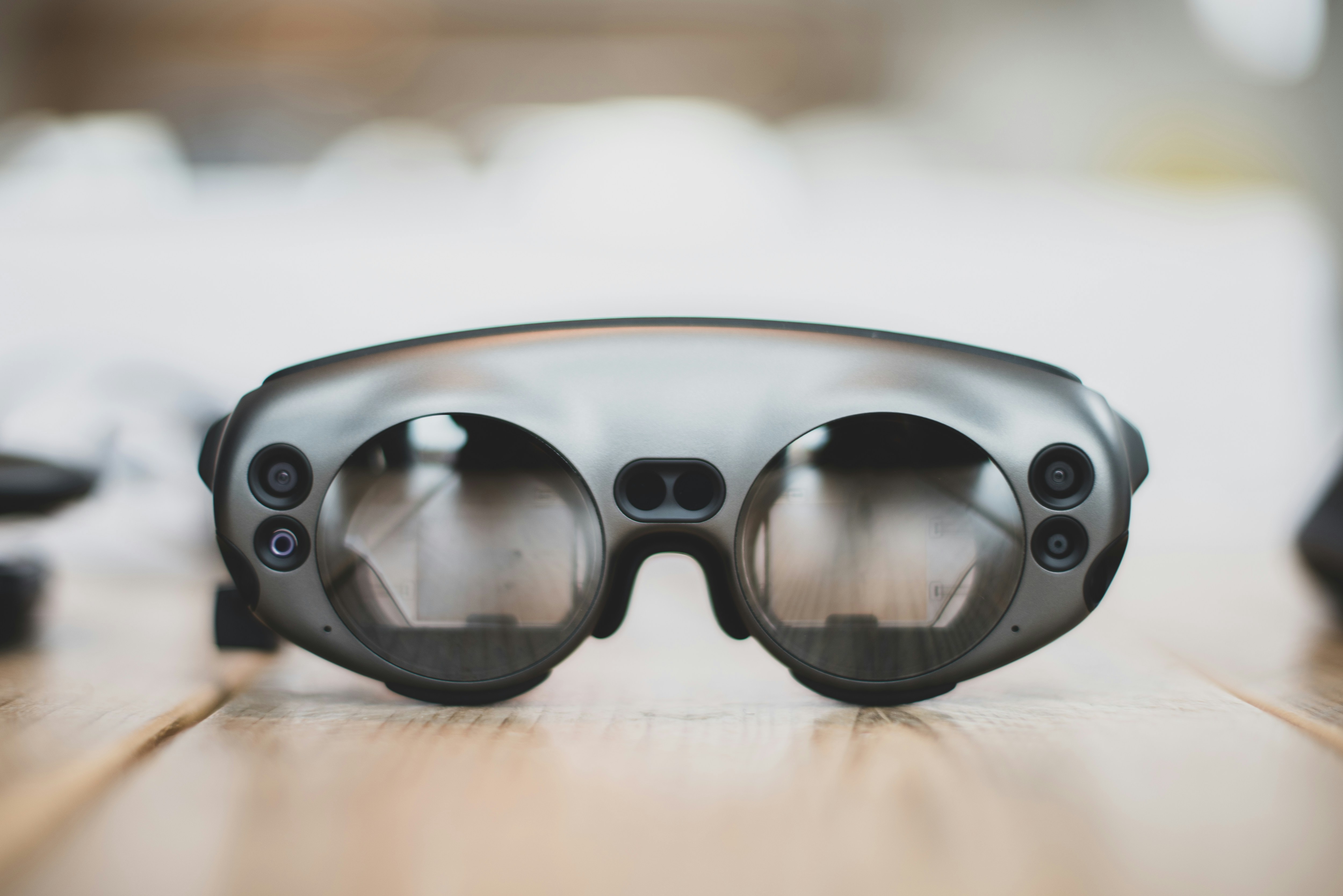
Finally, Microsoft HoloLens remains a significant player due to its integration of augmented reality with holography. Microsoft’s offering stands out for enterprise applications, providing a range of tools that enhance productivity. Its robust ecosystem comes with a higher price tag, thus attracting larger organizations looking for comprehensive solutions.
In summary, while each of these brands has unique strengths and weaknesses, the choice ultimately depends on specific use cases and budget considerations. As holographic technology continues to evolve, potential users have a variety of options tailored to their needs.
User Experience and Interaction with Holographic Displays
The evolution of technology has led to a remarkable advancement in user interfaces, particularly through the introduction of holographic displays. These displays not only provide a stunning visual experience but also reshape how users interact with digital content. Utilizing depth perception and three-dimensional interactions, holographic displays elevate user experience across various applications, including gaming, remote collaboration, and augmented reality.
In gaming, holographic displays offer an immersive environment where users can engage with virtual worlds like never before. Unlike traditional monitors that restrict players to two-dimensional experiences, holographic technology allows for dynamic interaction within a fully realized space. This innovation supports more intuitive control schemes, enabling users to reach out, grasp, and manipulate objects as if they were physically present. As a result, gaming becomes more engaging and realistic, fostering deeper emotional connections with both the gameplay and its characters.
On the front of remote collaboration, holographic displays break the barriers of distance, allowing team members to engage as if they were in the same room. Through lifelike representations and spatial interactions, users can share and manipulate digital models collaboratively, significantly enhancing productivity and creativity. The success of remote meetings can be attributed to the human-like presence holographic displays offer, which contributes to more effective communication and interaction.
Moreover, the role of user interface design in holographic displays cannot be overstated. As spatial computing becomes more prevalent, the design must prioritize intuitive interactions that feel natural to users. Holographic interfaces require a rethinking of traditional UI paradigms where gestures, voice commands, and eye-tracking play vital roles in achieving seamless engagement. Effective design not only enhances usability but also empowers users to harness the full potential of this groundbreaking technology.
Conclusion: The Inevitable Shift Towards Holographic Displays
As we advance into an era where technology rapidly evolves, holographic displays emerge as a formidable force, poised to challenge traditional monitors. Throughout this discourse, we have examined how holographic technology introduces immersive visual experiences that extend beyond the capabilities of conventional screens. Such advancements underline the significance of holographic displays in both personal and professional environments, suggesting a paradigm shift in how we interact with visual content.
The benefits of holographic displays, including enhanced depth perception and user engagement, can profoundly influence various industries, from gaming and education to healthcare and remote collaboration. As these technologies become more accessible and affordable, businesses and consumers alike may find themselves gravitating towards solutions that offer richer, more dynamic interfaces. This shift may not only affect productivity but also reshape storytelling, data visualization, and virtual interaction.
Moreover, the integration of holographic technology could redefine the boundaries of creativity and functional design. Artists, designers, and engineers will have new tools at their disposal, enabling them to visualize their ideas in three dimensions and collaborate in unparalleled ways. This promotes innovation and could result in groundbreaking applications that were once merely theoretical.
In light of these considerations, it is essential for readers to ponder the significant implications that holographic displays may have in their daily lives and across different fields. By anticipating how this technology could change the landscape of visual communication, we can better prepare for a future where holography becomes a staple in our communication arsenal. Encouraging conversations around its potential will foster a deeper understanding of its impact and inspire further exploration into this fascinating frontier.